Commercial Septic
Septic pumping and inspections for island businesses, restaurants, resorts and farms. We plan each visit around your busy season and the ferry.
Learn More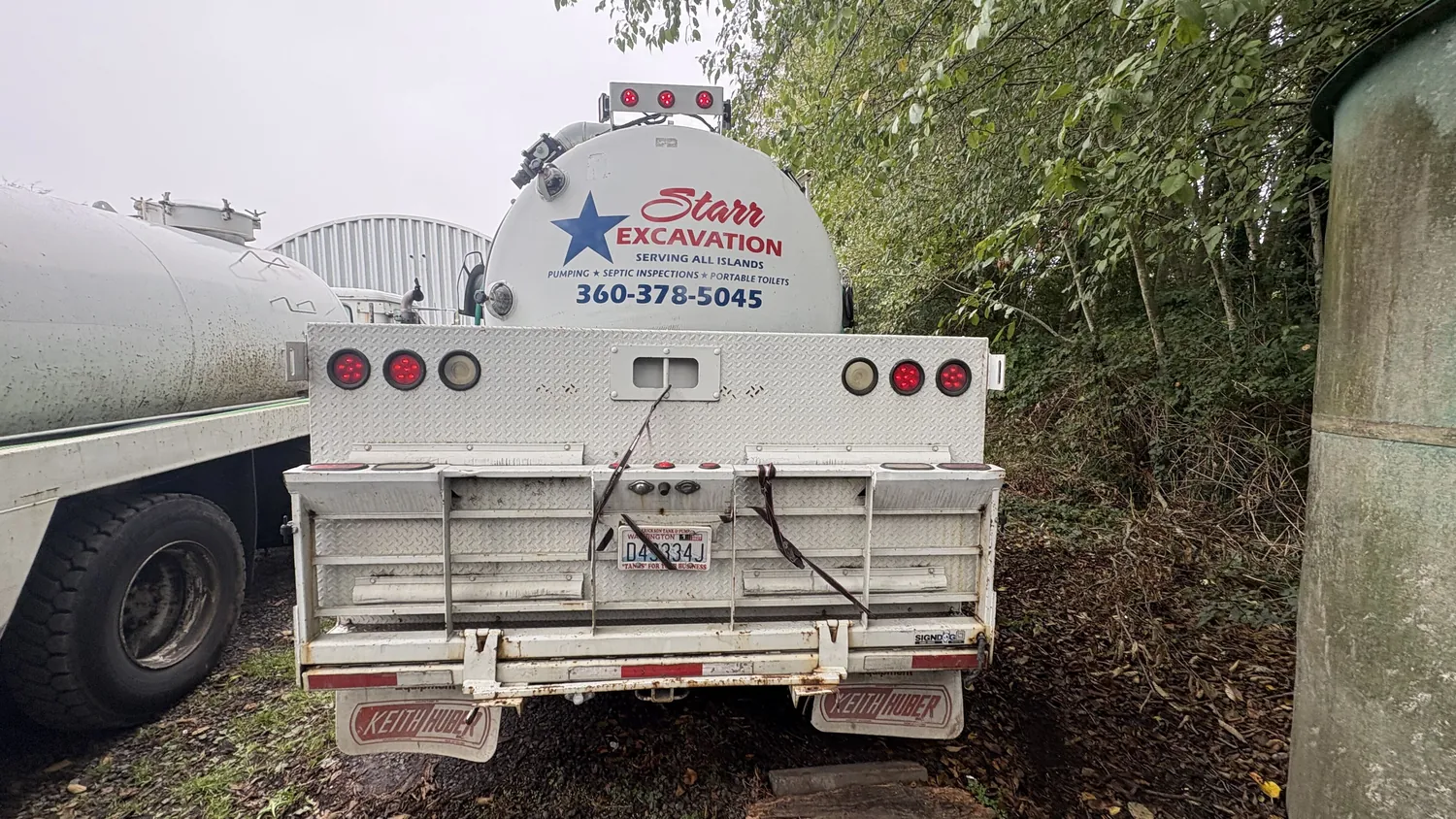
Grease trap pumping keeps a restaurant's drains open and its kitchen in business. Fats, oils and grease cool and harden in the lines. A grease trap or interceptor catches them before they reach the sewer or the septic tank, and it only works while there is room inside. Starr Excavation and Septic pumps grease traps for restaurants and kitchens across the San Juan Islands.
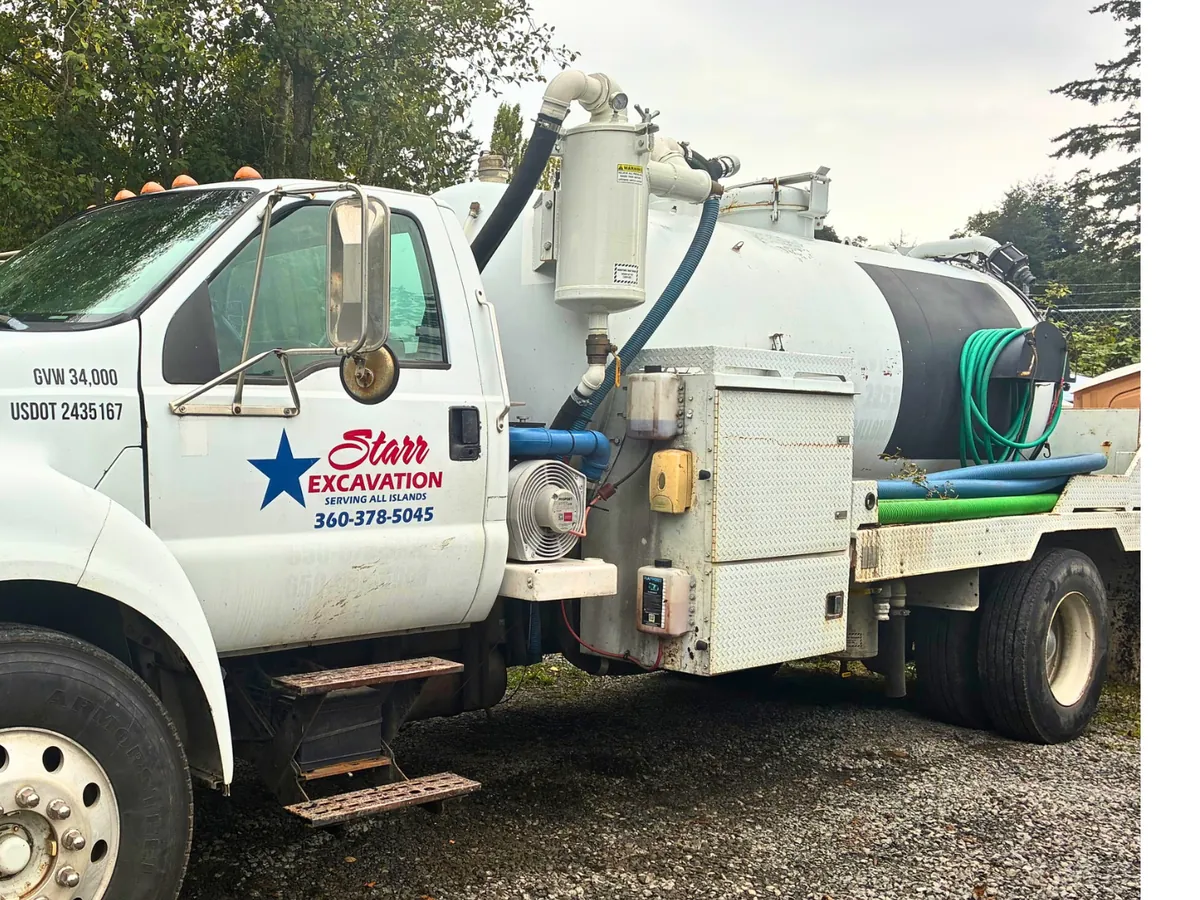
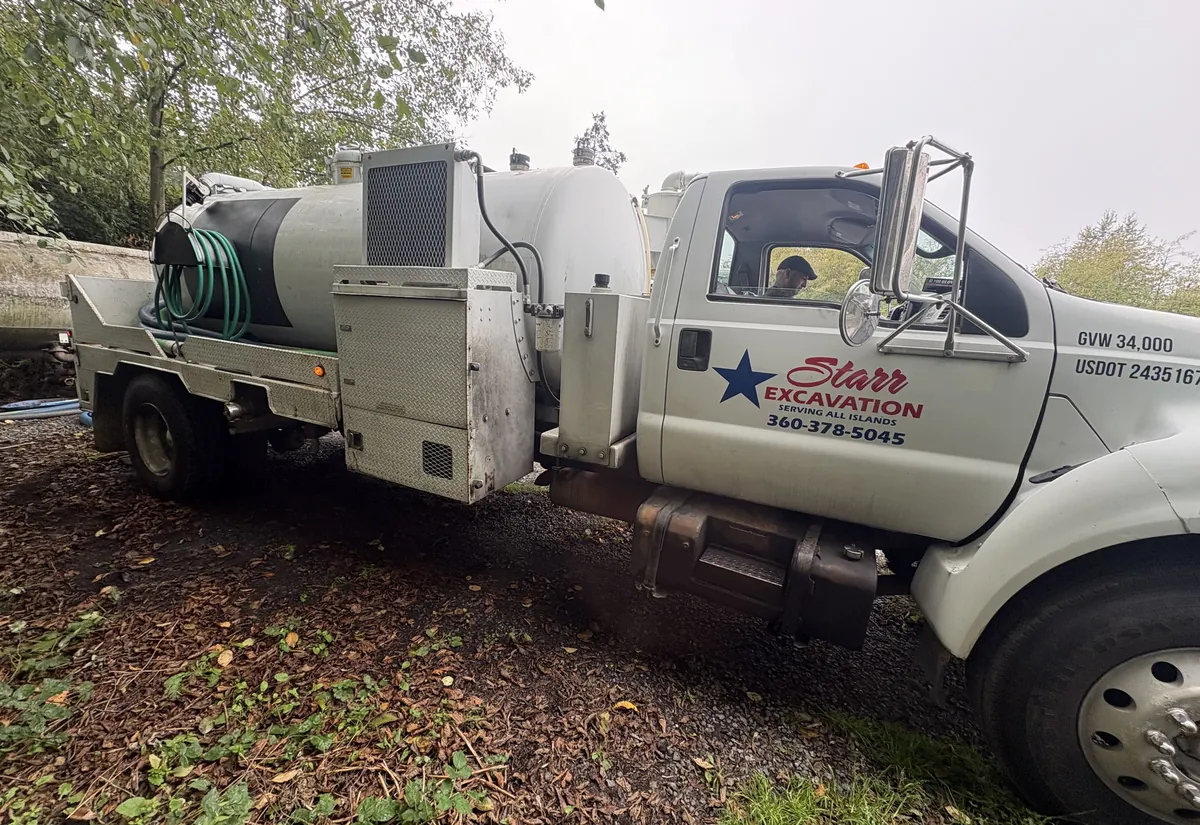
Our trucks are based in Friday Harbor and ride the ferry to the other islands. We pump the whole trap, scrape the walls and baffles, and leave you a record of the visit. Grease traps are not the only tanks we pump: the same trucks handle septic tank pumping for island homes and commercial septic service for businesses. Call or text (360) 378-5045 with the kitchen's location and the size of the trap.
Tell us about the septic system or the portable toilet rental, and which island it is on. We look at the job and put the quote in writing.
In 2025 the Town of Friday Harbor adopted a fats, oils and grease program, Chapter 13.22 of the town code. It applies to every food service establishment on the town sewer. Each one needs a FOG discharge license from the town and a grease removal device sized by the town's own form. Every fixture and drain in the food preparation, bar and cleanup areas has to run through that device.
The town sets the cleaning schedule when it issues the license. Where it has not set one, the code's minimums apply. An indoor grease trap is cleaned at least weekly, and the town recommends daily. One holding less than 151 gallons goes no more than 30 days between cleanings, and every other device goes no more than 90 days. Maintenance means removing the floating grease and the settled solids and cleaning the walls and baffles.
The code also bans a few shortcuts. No enzymes, bacteria or solvents to push grease through the trap. No garbage grinders in a food service kitchen, and no dishwater hotter than 140 degrees into the trap. Grease pumped out of the device cannot stay on the property, and the kitchen keeps records of the dates, amounts and disposal of every cleaning. The town also licenses the contractors who service the outdoor interceptors.
Outside the town limits, most island restaurants and resort kitchens run on septic systems. Grease is hard on them. It coats the tank and can clog the drainfield, which is the part of the system that costs the most to replace. A grease interceptor ahead of the septic tank catches the grease first, and pumping it on time protects the drainfield behind it.
Washington's on-site sewage rules single out food service establishments. The local health officer requires an annual inspection of a septic system serving one, and can require pumping as needed. On the islands that officer sits at San Juan County Health and Community Services. Our routine septic inspections cover the tank and the drainfield, and the grease interceptor can be pumped on the same trip.
The state writes the sizing rule down for its large on-site sewage systems. A grease interceptor on one holds at least 1,000 gallons, or twice the kitchen's daily greywater design flow, whichever is more. A resort or camp kitchen on a system that size has a big tank to pump, and the ferry trip is part of the plan.
The common rule across Washington sewer utilities is the quarter-full rule. When grease and food solids fill 25 percent of a trap's depth, it stops separating grease and starts passing it on. Sewer utilities around the state write that 25 percent into their codes and guides. The Town of Friday Harbor sets each kitchen's schedule on top of its own minimums.
How fast a trap fills depends on the kitchen. A fryer-heavy menu and a dish pit that rinses plates under hot water load a trap in weeks. Scraping plates into the trash, screens in every drain and fryer oil collected in a barrel for a recycler stretch the time between pumpings. The EPA notes that a kitchen which follows those practices usually needs its interceptor serviced less often.
A pumping visit empties the whole device, liquid and all. Skimming the grease mat and leaving the water behind is not a cleaning. The Friday Harbor code counts the settled solids and the baffles as part of the job. The pumped grease rides off in the truck to an approved disposal facility. San Juan County licenses the pumpers who clean grease traps and asks them for quarterly records of what was pumped and where it went.
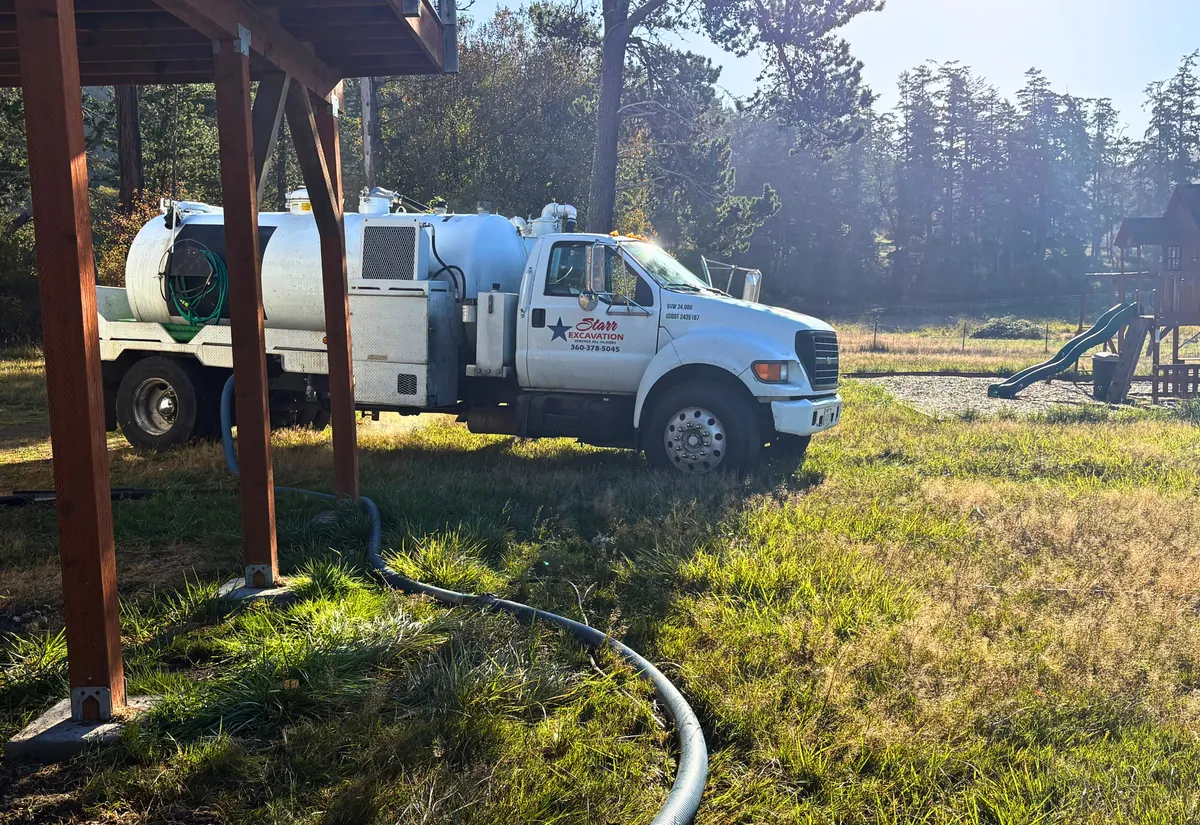
Call or text for a written quote. We work about 30 miles around Friday Harbor across the San Juan Islands.
(360) 378-5045From the first call or text to the finished work, here is how it goes.
Call or text (360) 378-5045. Tell us which island the property is on and what you need.
We ask about the tank and where its lids are. For a repair, we look at the system on site to find the cause.
The quote comes to you in writing. Once you say yes, we set a date that fits the ferry schedule.
For septic tank pumping, we open the lids and pump the tank out with the truck. Repairs follow the plan in the quote.
We close the lids and tell you what we saw. You also hear when the next pumping or inspection may be due.
Common questions about grease trap pumping around Friday Harbor and the San Juan Islands. If yours is not here, call or text and ask.
Septic pumping and inspections for island businesses, restaurants, resorts and farms. We plan each visit around your busy season and the ferry.
Learn More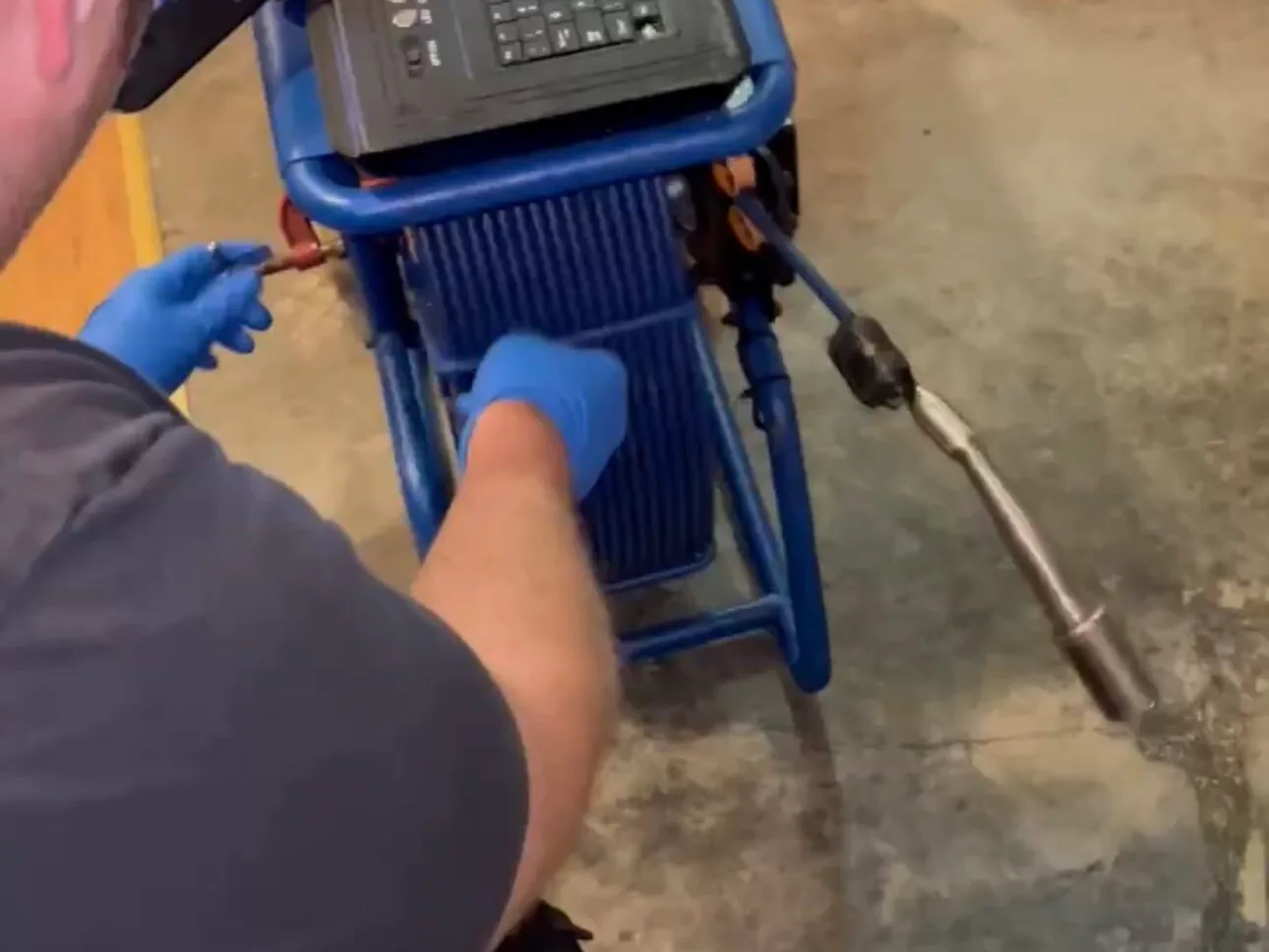
We jet roots and sludge out of the lines from the house to the tank and on to the drainfield. A septic camera inspection finds a break or a sag before anyone digs.
Learn More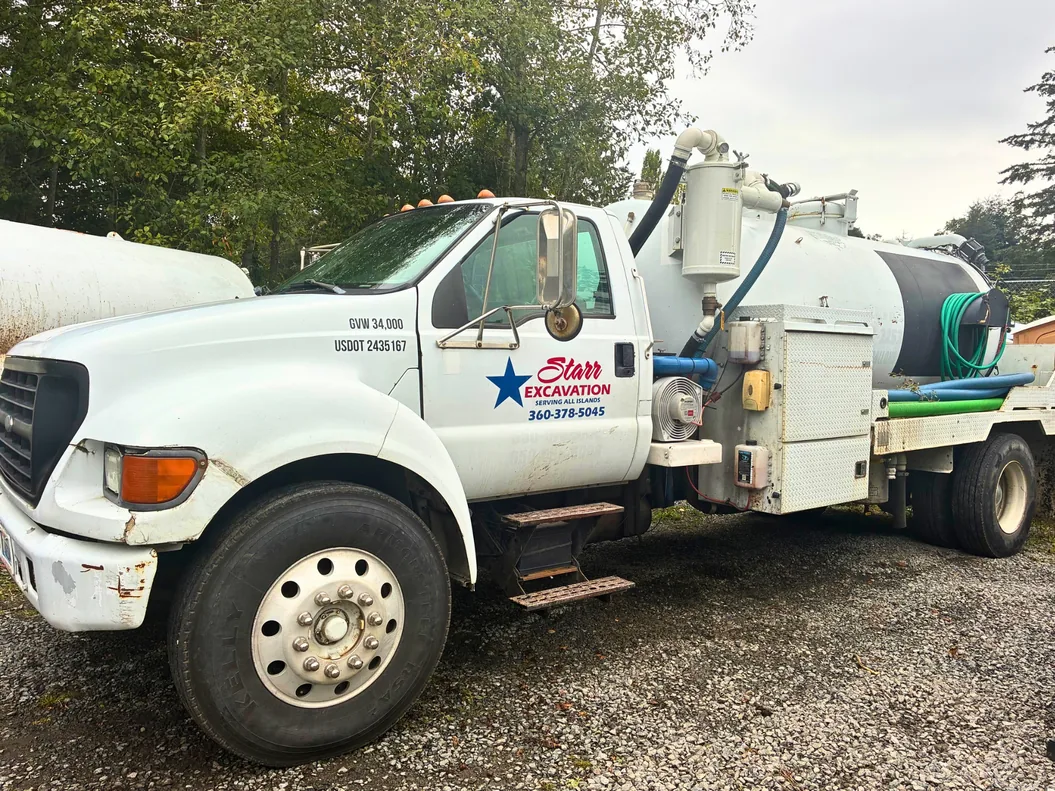
Drains backing up, or a septic alarm going off? We pump the tank first, then find out why it happened.
Learn More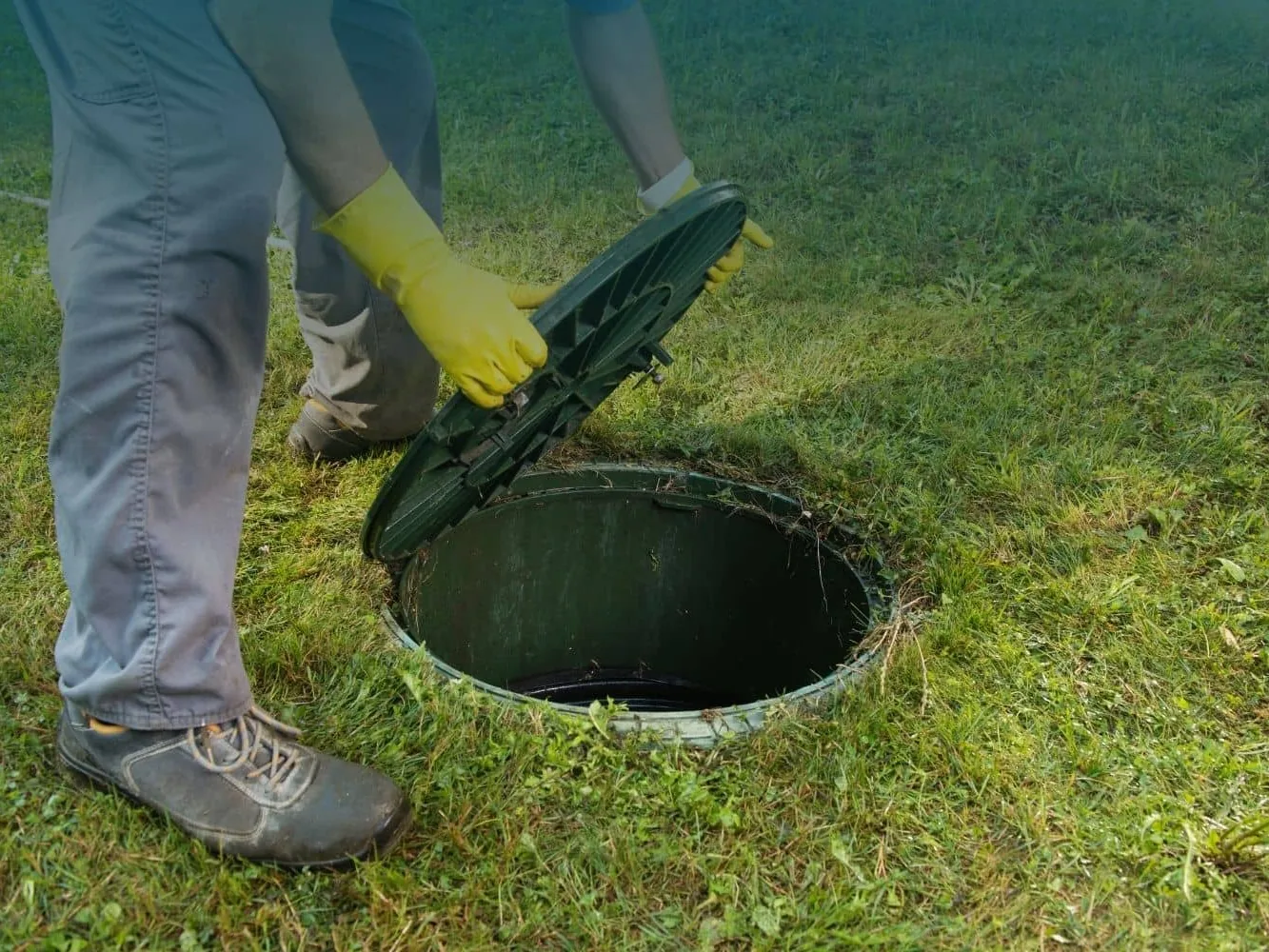
We measure the scum and sludge in the tank and check the rest of the system. You get a written report that says when pumping is due.
Learn MoreWe book island jobs around the Washington State Ferries sailings. Our trucks are based in Friday Harbor, and we keep a yard and trucks on Orcas Island too.
Our team has expertise with many different septic systems. Each type carries its own inspection schedule under county rules.
One company handles the septic tank and the portable toilets on a job site or at an event. One call covers both.
We look at the job and put the quote in writing. The work starts when you say yes.
Tell us what the tank or the job needs and which island the property is on. Call or text (360) 378-5045 or use the form, and we will get back to you.
Tell us about the septic system or the portable toilet rental, and which island it is on. We look at the job and put the quote in writing.