
What Types of Septic Systems Are in San Juan County?
The types of septic systems in San Juan County are gravity, pressure distribution, mound, sand filter, and aerobic treatment units or other proprietary units. The type sets the inspection schedule. A gravity system is inspected every three years, unless it sits in a designated sensitive area. Every other type is inspected every year.
The type also sets the upkeep. A gravity system is a septic tank, a drainfield and the soil beneath the drainfield. The other types add a pump chamber, a sand bed or a treatment unit. Our septic system maintenance visits cover the tank and those added parts.
How does each type of septic system work?
Most systems start with a septic tank, where heavy solids settle to the bottom. What happens to the liquid next is where the types differ.
- Gravity. The tank, the drainfield and the soil under it do the work, with no pump. Washington’s Department of Health (DOH) says a gravity system needs at least 3 feet of suitable native soil under the drainfield.
- Pressure distribution. A pump chamber collects the treated water from the tank. A pump sends it out in set doses through small pipes that spread it evenly across the drainfield.
- Mound. The drainfield bed sits above the natural soil surface, in a specific sand fill under cover soil. A pump chamber feeds it.
- Sand filter. A pump doses the tank water onto a lined box of sand. The sand treats it, and the water then goes to a drainfield.
- Aerobic treatment units and other proprietary units. These are patented or trademarked products. An aerobic unit brings the wastewater in contact with air by mechanical means before it reaches a drainfield. DOH lists aerobic units and biofilters as proprietary treatment products.
Why does a lot end up with a pump system?
Soil depth decides most of it. DOH ties each type to how much suitable native soil sits under the drainfield. A gravity system needs at least 3 feet. A pressure distribution system is used when the soil and site call for controlled dosing. A sand filter can work with 1.5 feet, and a mound with 1 or 2 feet.
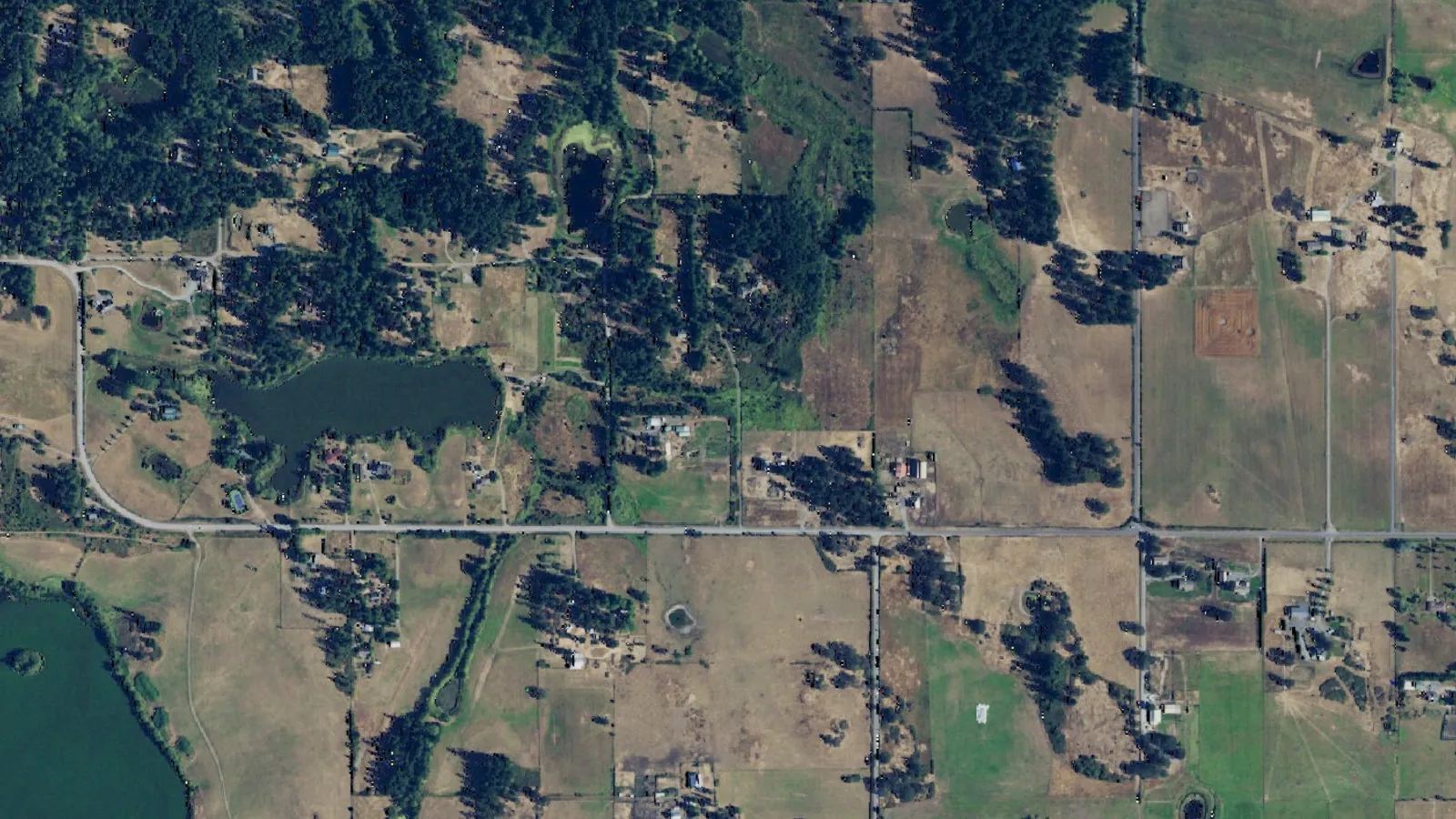
A San Juan County program plan describes the county as a group of bedrock islands with steep, rocky terrain. The same plan says the islands can present challenges for locating, designing, installing and maintaining septic systems.
A licensed designer picks the system for a lot, and the county approves the design. Your part is knowing the type and keeping up with it.
What is in a pump chamber, and what does the alarm mean?
Pressure distribution and mound systems have a pump chamber, and so does a typical sand filter system. DOH says the chamber holds a pump, pump control floats and a high-water alarm float. A float turns the pump on as the water rises. Some systems use a timer control panel instead of floats.
If the pump fails or too much water enters the chamber, the alarm float rises and sounds the alarm. A faulty pump, float or circuit can set it off, and so can heavy water use in the home. DOH says to silence the alarm and call a professional.
Never go into a pump chamber, since DOH warns that the gases inside are poisonous. Leave the switch alone, too. Turning off the switch for a septic pump alarm could potentially turn off the septic pump. Our septic alarm service page covers the alarm step by step.
How often is each type inspected in San Juan County?
Washington’s rule sets the floor: at least once every three years for a septic tank with a gravity drainfield, and every year for all other systems.
San Juan County follows the same split. Gravity systems are inspected every three years, unless they sit in a designated sensitive area. Those are usually the areas around commercial shellfish growing. Pressure systems, sand filters, mounds, aerobic treatment systems and sensitive-area gravity systems are inspected every year.
How do the types of septic systems compare?
| Type | How it works | Inspection schedule in San Juan County | What needs upkeep |
|---|---|---|---|
| Gravity | Tank water flows by gravity to the drainfield, with no pump | Every three years; every year in a designated sensitive area | The tank’s scum and sludge, the baffles, and a drainfield kept clear of cars and roots |
| Pressure distribution | A pump chamber doses tank water through small pipes, spread evenly across the drainfield | Every year | The tank, plus the pump, floats, alarm and pump screen |
| Mound | A pump chamber feeds a drainfield bed of sand raised above the natural soil | Every year | The tank, the pump chamber and its alarm, and the mound itself |
| Sand filter | A pump doses tank water onto a lined box of sand, then on to a drainfield | Every year | The tank, the pump chamber, the filter and the drainfield |
| Aerobic treatment and other proprietary units | A patented unit adds air to the wastewater before it goes to a drainfield | Every year, by a certified inspector | The unit itself, plus the tank and the drainfield |
What does each type ask of its owner?
Upkeep starts with the tank. DOH notes that concrete baffles tend to break down in septic tanks from corrosive gases. Our routine septic inspections check the tank. How often to pump isn’t about a set number of years: the measure of scum and sludge decides it.
Protect the drainfield on every type. Keep cars and trucks off the tank and drainfield. Shrubs, blackberries, or trees growing near your septic tank or drain field can infiltrate and damage the system.
DOH’s sand filter brochure says to check the pump chamber, pump and floats every year. It also says to add an effluent filter or pump screen if the system has none. The county’s pressure system checklist tests the alarms and cleans the pump screen.
Access matters too. If your tank isn’t easily accessible, you may need septic tank risers and lids. Digging 4 feet down to reach the septic tank isn’t recommended anymore.
Can you inspect your own septic system in San Juan County?
The county runs a homeowner class so owners can qualify to inspect their own systems. The class covers gravity, pressure distribution, sand filter and mound systems. Proprietary systems must be inspected by a certified inspector.
The class is usually offered once or twice a year, in the spring or fall, on San Juan Island and Orcas Island. Without the class, the inspection goes to a wastewater inspector the county licenses.
How can you tell which type of septic system you have?
Start with the county’s records. The On-Site Sewage Program page links a Septic System Inspection Search. It also links a Septic System and Water Availability Permit Search. If nothing turns up, ask the county health department.
The yard gives clues too. A pump system should have an alarm with a buzzer and an easily visible light. A mound sits above the natural soil surface.
Ready to keep your septic system on schedule?
Whatever type sits in your yard, septic system maintenance from Starr keeps up with the parts it has. Our team has expertise with many different systems. Starr Excavation and Septic serves San Juan Island, Orcas Island, Lopez Island, Shaw Island and the outer islands. Our trucks are based in Friday Harbor, and we keep a yard and trucks in Eastsound.
Call or text (360) 378-5045 and tell us the system type if you know it. We look at the job and put the quote in writing.